International Conference on Human Rights, Genocide, and Mass Violence
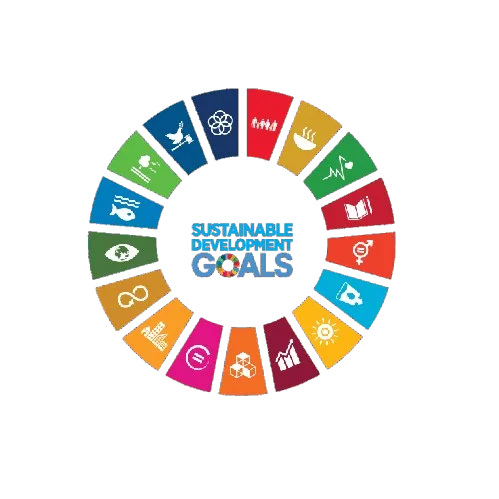
SDG-Aligned Research Themes
International Conference on Human Rights, Genocide, and Mass Violence conference tracks support global knowledge exchange, innovation, and sustainable development priorities across diverse disciplines.
This track explores the historical development and contemporary challenges of human rights norms in various cultural contexts. It aims to analyze how these norms influence state behavior and international relations.
This session focuses on effective strategies for preventing genocide, including early warning systems and international cooperation. Participants will discuss case studies and the role of civil society in advocating for preventive measures.
This track examines the various mechanisms of transitional justice, including truth commissions and reparations, in post-conflict societies. It aims to evaluate their effectiveness in promoting reconciliation and accountability.
This session addresses the legal frameworks surrounding war crimes and the challenges of holding perpetrators accountable. Discussions will include the role of international tribunals and the impact of national jurisdictions.
This track investigates the application of humanitarian law in contemporary conflict zones and the challenges faced by humanitarian actors. It aims to highlight the importance of protecting civilians and ensuring compliance with international legal standards.
This session focuses on the role of civil society organizations in advocating for human rights and influencing policy change. Participants will share best practices and strategies for effective advocacy in diverse political contexts.
This track explores the intersection of global governance and human security, analyzing how international institutions address issues of violence and conflict. Discussions will focus on the effectiveness of current frameworks and potential reforms.
This session examines the causes and consequences of political violence, including its impact on human rights and societal stability. Participants will analyze case studies to understand the dynamics of violence in various political contexts.
This track focuses on the principles and practices of peacebuilding in post-conflict societies. It aims to discuss the role of international actors and local communities in fostering sustainable peace and development.
This session critically evaluates the concept of the Responsibility to Protect (R2P) and its application in various crises. Participants will discuss the political, legal, and ethical challenges associated with implementing R2P.
This track explores the relationship between international law and atrocity prevention, focusing on legal obligations and enforcement mechanisms. Discussions will highlight the role of international actors in preventing mass violence and protecting human rights.
