International Conference on Islamic Economics and Social Justice
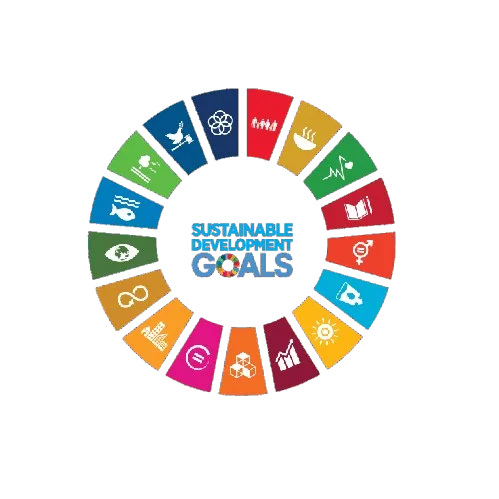
SDG-Aligned Research Themes
International Conference on Islamic Economics and Social Justice conference tracks support global knowledge exchange, innovation, and sustainable development priorities across diverse disciplines.
This track explores the foundational principles of Islamic economics and their practical applications in contemporary society. It aims to analyze how these principles can address modern economic challenges while promoting social justice.
This session focuses on the concept of social justice as articulated in Islamic teachings and its implications for contemporary social policies. It seeks to examine the intersection of Islamic ethics and social equity in various cultural contexts.
This track investigates the latest innovations in Islamic finance and the challenges faced by the sector in a globalized economy. Discussions will include regulatory frameworks, ethical considerations, and the role of Islamic finance in poverty alleviation.
This session delves into the roles of zakat and waqf in promoting social welfare and economic equity within Muslim communities. It will highlight successful case studies and explore strategies for enhancing their effectiveness in addressing poverty.
This track examines the ethical dimensions of economic practices from an Islamic viewpoint, emphasizing moral economy and ethical investment. It aims to foster discussions on integrating ethical considerations into economic decision-making.
This session focuses on the Islamic perspective on wealth redistribution and its implications for achieving economic equity. Participants will explore historical and contemporary practices that align with Islamic teachings on fairness and justice.
This track addresses the concept of development within an Islamic framework, emphasizing sustainable growth and social justice. It will explore various strategies that align economic development with ethical and moral imperatives.
This session seeks to identify and analyze Islamic approaches to poverty alleviation, focusing on practical solutions that have been implemented in different contexts. Discussions will include the role of community engagement and social entrepreneurship.
This track explores the challenges and opportunities facing Islamic banking in the modern financial landscape. It will address issues of compliance, innovation, and the potential for Islamic banking to contribute to social justice.
This session examines the concept of moral economy in the context of Islamic teachings, focusing on how faith can inform financial practices. Participants will discuss the implications for ethical business conduct and social responsibility.
This track investigates the role of Islamic perspectives in shaping economic reform initiatives worldwide. It aims to foster dialogue on how Islamic principles can contribute to global economic stability and social justice.
