International Conference on Food Waste and Resource Management
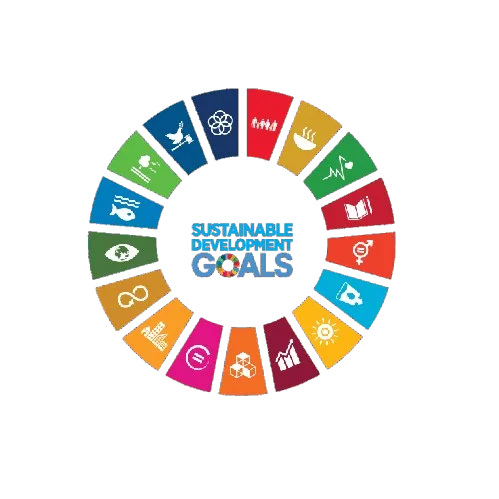
SDG-Aligned Research Themes
International Conference on Food Waste and Resource Management conference tracks support global knowledge exchange, innovation, and sustainable development priorities across diverse disciplines.
This track will explore cutting-edge approaches and methodologies aimed at minimizing food waste across various sectors. Emphasis will be placed on practical solutions that can be implemented within supply chains to enhance efficiency and sustainability.
This session will delve into the principles of circular economy as they pertain to food systems, highlighting strategies for resource recovery and waste minimization. Participants will discuss real-world applications and the role of policy in fostering circular practices.
This track will focus on innovative technologies that facilitate the conversion of food waste into valuable resources. Discussions will include biotechnological processes, recycling methods, and the economic viability of waste-to-resource technologies.
This session aims to address sustainable practices within food supply chains that contribute to waste reduction and resource efficiency. Participants will examine case studies and frameworks that promote environmental sustainability and food security.
This track will highlight groundbreaking green technologies and innovations designed to tackle food waste and enhance resource management. The focus will be on collaborative efforts between industry, academia, and government to drive sustainable change.
This session will explore effective models for food recovery and redistribution aimed at minimizing food loss and enhancing food security. Discussions will include the role of community organizations and technology in facilitating food recovery efforts.
This track will examine the intersection of food waste management and climate change mitigation strategies. Participants will discuss how reducing food waste can contribute to lower greenhouse gas emissions and promote environmental resilience.
This session will focus on the development and implementation of biodegradable waste solutions within the food sector. Emphasis will be placed on the lifecycle analysis of biodegradable materials and their potential to reduce environmental impact.
This track will investigate zero waste initiatives being adopted by food industry stakeholders to eliminate waste generation. Participants will share best practices and success stories that demonstrate the feasibility of achieving zero waste goals.
This session will address proactive strategies for preventing food loss at various stages of the supply chain. Discussions will include behavioral, logistical, and technological interventions that can effectively reduce food loss.
This track will explore the alignment of food waste management practices with the United Nations Sustainable Development Goals (SDGs). Participants will discuss how effective waste management contributes to broader sustainability objectives and food security.
