International Conference on Eastern European Transformations and Post-Socialist Studies
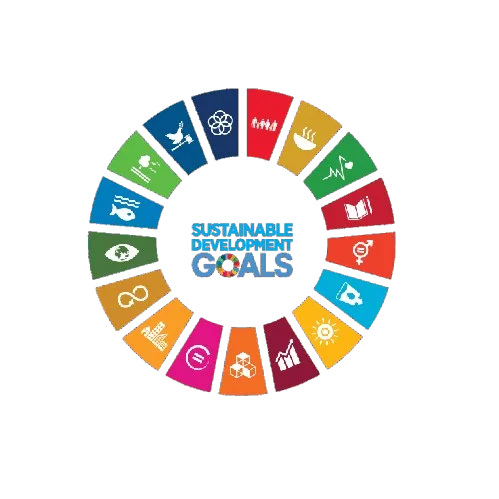
SDG-Aligned Research Themes
International Conference on Eastern European Transformations and Post-Socialist Studies conference tracks support global knowledge exchange, innovation, and sustainable development priorities across diverse disciplines.
This track examines the shifts in political economy across Eastern Europe following the collapse of socialism. It aims to explore the implications of these transformations on economic structures, governance, and social welfare systems.
Focusing on the pathways to democracy in post-socialist countries, this track investigates the challenges and successes of democratization efforts. Papers will analyze the role of civil society, political institutions, and public participation in these processes.
This session addresses how national and cultural identities have evolved in Eastern Europe since the fall of communism. It will consider the interplay between historical narratives, memory politics, and contemporary identity politics.
This track explores the effects of globalization on social, economic, and political landscapes in Eastern Europe. It aims to understand how global forces interact with local contexts and influence regional transformations.
Examining the role of civil society in shaping political discourse and action, this track focuses on grassroots movements and their impact on governance. It will highlight case studies of successful activism and the challenges faced by civil organizations.
This session investigates the resurgence of nationalism and its implications for ethnic relations in Eastern Europe. Papers will analyze the historical roots of contemporary conflicts and the role of nationalism in shaping political agendas.
Focusing on how societies remember and interpret their socialist pasts, this track explores the politics of memory in shaping national identities. It will examine the role of memorialization practices and their impact on contemporary social cohesion.
This track investigates the role of religion in social transformation within Eastern European societies. It will explore how religious institutions influence social values, community engagement, and political participation.
This session examines the dynamics of urbanization and migration in post-socialist cities. Papers will address the socio-economic impacts of migration on urban development and the challenges of integration.
Focusing on the reform processes in governance structures, this track analyzes the effectiveness of political and economic reforms in post-communist countries. It will consider the role of international organizations and local actors in shaping reform outcomes.
This track explores the evolving security landscape in Eastern Europe in the context of post-socialist transitions. It will address issues such as regional conflicts, security cooperation, and the impact of external influences on national security.
