International Conference on Science, Technology, and Innovations in Global Health - (ICSTIGH-26)


23rd - 24th September, 2026 | Zurich, Switzerland

Multi-format (In-person/Virtual)

Registration Options

Explore conference registration categories designed for every mode of participation.
Important Dates

Pre-registration Deadline

24th August, 2026

Paper Submission Deadline

29th August, 2026

Last Date Of Registration

8th September, 2026

Date Of Conference

23rd - 24th September, 2026

Downloads

Conference Session Tracks

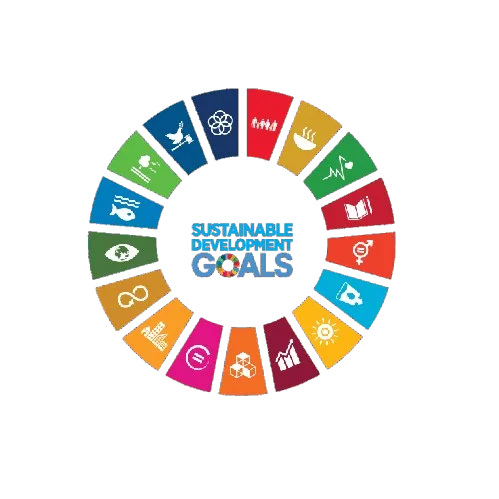
SDG Wheel

Aligned with

UN Sustainable Development Goals

This conference contributes to global sustainability by aligning its research discussions and academic sessions with key United Nations Sustainable Development Goals. It fosters knowledge exchange, innovation, and collaborative engagement.

SDG 3 SDG 3 — Good Health and Well-being
SDG 4 SDG 4 — Quality Education
SDG 9 SDG 9 — Industry, Innovation and Infrastructure
SDG 10 SDG 10 — Reduced Inequalities
SDG 11 SDG 11 — Sustainable Cities and Communities
Explore

All Session Tracks

Track 01
Innovative Biomedical Technologies in HIV/AIDS Research

This track focuses on the latest advancements in biomedical technologies aimed at combating HIV/AIDS. Researchers are invited to present their findings on novel diagnostic tools, treatment modalities, and vaccine development.

Track 02
Digital Health Solutions for HIV Prevention and Care

This session explores the role of digital health technologies in enhancing HIV prevention and care strategies. Contributions may include mobile health applications, telehealth interventions, and online support systems.

Track 03
Public Health Strategies for HIV/AIDS Management

This track addresses innovative public health strategies for managing HIV/AIDS at the community and population levels. Papers may discuss policy frameworks, health education initiatives, and community engagement approaches.

Track 04
Data Analytics in HIV/AIDS Epidemiology

This session highlights the application of data analytics in understanding the epidemiology of HIV/AIDS. Researchers are encouraged to present studies utilizing big data, predictive modeling, and geographic information systems.

Track 05
Telemedicine Innovations in HIV/AIDS Treatment

This track examines the impact of telemedicine on the delivery of HIV/AIDS treatment and care. Submissions should focus on case studies, implementation challenges, and patient outcomes associated with telehealth services.

Track 06
Health Informatics and HIV/AIDS Care Coordination

This session explores the integration of health informatics in coordinating care for individuals living with HIV/AIDS. Topics may include electronic health records, data sharing protocols, and patient management systems.

Track 07
Technology Adoption in HIV/AIDS Interventions

This track investigates the factors influencing the adoption of new technologies in HIV/AIDS interventions. Researchers are invited to discuss barriers, facilitators, and strategies for enhancing technology uptake among healthcare providers and patients.

Track 08
Clinical Innovations in HIV/AIDS Treatment Protocols

This session focuses on clinical innovations that improve treatment protocols for HIV/AIDS. Papers may cover novel therapeutic approaches, combination therapies, and personalized medicine strategies.

Track 09
Global Health Perspectives on HIV/AIDS

This track examines the global health implications of HIV/AIDS, emphasizing cross-border collaborations and international research initiatives. Contributions should highlight successful models and lessons learned from diverse health systems.

Track 10
Ethical Considerations in HIV/AIDS Research and Innovation

This session addresses the ethical challenges associated with HIV/AIDS research and the implementation of innovative solutions. Discussions may include informed consent, data privacy, and equitable access to new technologies.

Track 11
Community-Based Innovations in HIV/AIDS Prevention

This track highlights community-driven innovations aimed at preventing HIV/AIDS transmission. Submissions should focus on grassroots initiatives, peer education programs, and culturally tailored interventions.