International Conference on Water Resources Engineering and Civil Engineering Management - (ICWRECE-26)


30th - 1st October, 2026 | Brussels, Belgium

Multi-format (In-person/Virtual)

Registration Options

Explore conference registration categories designed for every mode of participation.
Important Dates

Pre-registration Deadline

31st August, 2026

Paper Submission Deadline

5th September, 2026

Last Date Of Registration

15th September, 2026

Date Of Conference

30th - 1st October, 2026

Downloads

Conference Session Tracks

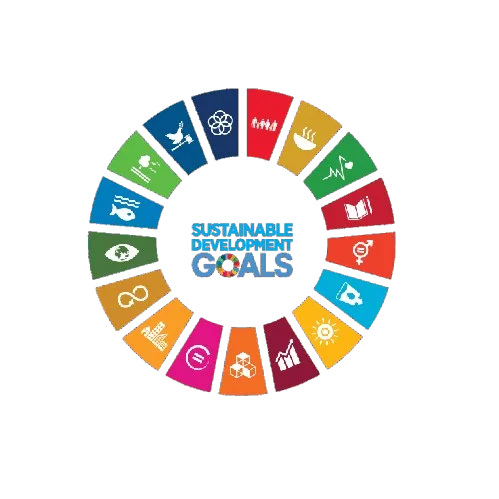
SDG Wheel

Aligned with

UN Sustainable Development Goals

This conference contributes to global sustainability by aligning its research discussions and academic sessions with key United Nations Sustainable Development Goals. It fosters knowledge exchange, innovation, and collaborative engagement.

SDG 3 SDG 3 — Good Health and Well-being
SDG 6 SDG 6 — Clean Water and Sanitation
SDG 9 SDG 9 — Industry, Innovation and Infrastructure
SDG 11 SDG 11 — Sustainable Cities and Communities
SDG 13 SDG 13 — Climate Action
SDG 15 SDG 15 — Life on Land
Explore

All Session Tracks

Track 01
Innovative Approaches in Water Resources Engineering

This track focuses on novel methodologies and technologies in water resources engineering. Topics include cutting-edge hydrological modeling and advancements in irrigation systems.

Track 02
Hydrology and Its Applications in Civil Engineering

This session explores the principles of hydrology and their practical applications in civil engineering projects. Emphasis will be placed on modeling techniques and their implications for water management.

Track 03
Groundwater Management Strategies

This track addresses the challenges and solutions related to groundwater management in urban and rural settings. Discussions will include sustainable practices and innovative technologies for groundwater conservation.

Track 04
Flood Control Engineering: Design and Implementation

This session examines the engineering principles behind effective flood control systems. Participants will discuss design methodologies, risk assessment, and case studies of successful implementations.

Track 05
Hydraulic Structures: Design and Performance

This track focuses on the design, analysis, and performance of hydraulic structures such as dams, weirs, and spillways. The session will highlight recent research and best practices in hydraulic engineering.

Track 06
Stormwater Management in Urban Environments

This session delves into the challenges of managing stormwater in urban areas. Topics will include green infrastructure, best management practices, and regulatory frameworks.

Track 07
Water Treatment Processes: Innovations and Challenges

This track explores the latest innovations in water treatment processes and technologies. Discussions will include challenges faced in ensuring water quality and sustainability.

Track 08
Reservoir Design and Management

This session focuses on the principles and practices of reservoir design and management. Participants will discuss optimization techniques and the role of reservoirs in integrated water resources management.

Track 09
Watershed Management: Strategies and Solutions

This track examines effective watershed management strategies to enhance water quality and ecosystem health. Emphasis will be placed on integrated approaches that consider land use and hydrology.

Track 10
River Engineering: Challenges and Innovations

This session addresses the complexities of river engineering, including river restoration and floodplain management. Participants will share innovative solutions and case studies from various regions.

Track 11
Drought Management and Resilience Planning

This track focuses on strategies for managing drought and enhancing community resilience. Discussions will include risk assessment, mitigation measures, and policy frameworks for sustainable water use.