International Conference on Soil, Water, Air, Energy, Ecology and Environment - (ICSWAEEE-26)


26th - 27th December, 2026 | Alxa League, Mongolia

Multi-format (In-person/Virtual)

Registration Options →

Explore conference registration categories designed for every mode of participation.
Important Dates

Pre-registration Deadline

26th November, 2026

Paper Submission Deadline

1st December, 2026

Last Date Of Registration

11th December, 2026

Date Of Conference

26th - 27th December, 2026

Downloads

Conference Session Tracks

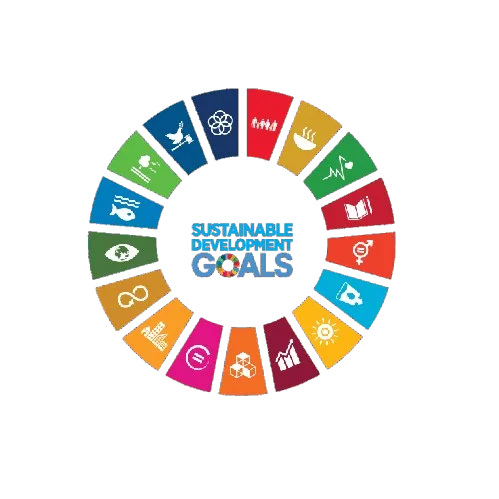
SDG Wheel

Aligned with

UN Sustainable Development Goals

This conference contributes to global sustainability by aligning its research discussions and academic sessions with key United Nations Sustainable Development Goals. It fosters knowledge exchange, innovation, and collaborative engagement.

SDG 3 SDG 3 — Good Health and Well-being
SDG 6 SDG 6 — Clean Water and Sanitation
SDG 7 SDG 7 — Affordable and Clean Energy
SDG 9 SDG 9 — Industry, Innovation and Infrastructure
SDG 11 SDG 11 — Sustainable Cities and Communities
SDG 12 SDG 12 — Responsible Consumption and Production
SDG 13 SDG 13 — Climate Action
SDG 15 SDG 15 — Life on Land
SDG 16 SDG 16 — Peace, Justice and Strong Institutions
SDG 17 SDG 17 — Partnerships for the Goals
Explore

All Session Tracks

Track 01
Soil Contamination and Remediation Technologies

This track focuses on innovative approaches to soil contamination, including bioremediation and phytoremediation techniques. It aims to address the challenges of heavy metals and emerging contaminants in soil ecosystems.

Track 02
Water Quality and Emerging Contaminants

This session explores the impact of pharmaceuticals, chlorinated compounds, and other emerging contaminants on water resources. Discussions will include assessment methods and innovative treatment technologies.

Track 03
Ecological Risk Assessment and Management

This track emphasizes the importance of ecological risk assessment in the context of environmental health. Participants will discuss methodologies for evaluating risks associated with contaminants and their effects on ecosystems.

Track 04
Energy Production and Environmental Sustainability

This session examines the intersection of energy production, particularly from fossil fuels, and its environmental implications. Topics will include the impact of hydraulic fracturing and oil and gas production on soil and water quality.

Track 05
Urban Runoff and Water Resource Management

This track addresses the challenges posed by urban runoff on water quality and resource management. It will cover strategies for mitigating pollution and enhancing water sustainability in urban settings.

Track 06
Soil Chemistry and Environmental Fate Modeling

This session focuses on the chemical properties of soil and their implications for environmental fate and transport modeling. Participants will explore the role of soil chemistry in contaminant bioavailability and remediation strategies.

Track 07
Innovative Technologies for Environmental Cleanup

This track highlights cutting-edge technologies for the remediation of contaminated sites, including nanotechnology and advanced bioremediation methods. Discussions will focus on effectiveness, scalability, and regulatory considerations.

Track 08
Health Effects and Risk Assessment of Contaminants

This session delves into the health effects associated with exposure to environmental contaminants. It will cover risk assessment methodologies and the implications for public health policy.

Track 09
Regulatory Frameworks and Environmental Policies

This track examines the legal and regulatory frameworks governing environmental health and safety. Participants will discuss the effectiveness of current policies and the need for reforms in light of emerging environmental challenges.

Track 10
Wetland Restoration and Ecosystem Services

This session focuses on the importance of wetland restoration for enhancing ecosystem services and biodiversity. Discussions will include best practices and the role of wetlands in mitigating climate change impacts.

Track 11
GIS and Data Visualization in Environmental Science

This track explores the application of Geographic Information Systems (GIS) and data visualization techniques in environmental research. Participants will discuss how these tools can enhance understanding and communication of environmental issues.