International Conference on Energy, Environment and Sustainable Development - (ICOEESD-27)


2nd - 3rd February, 2027 | Medellin, Colombia

Multi-format (In-person/Virtual)

Registration Options

Explore conference registration categories designed for every mode of participation.
Important Dates

Pre-registration Deadline

3rd January, 2027

Paper Submission Deadline

8th January, 2027

Last Date Of Registration

18th January, 2027

Date Of Conference

2nd - 3rd February, 2027

Downloads

Conference Session Tracks

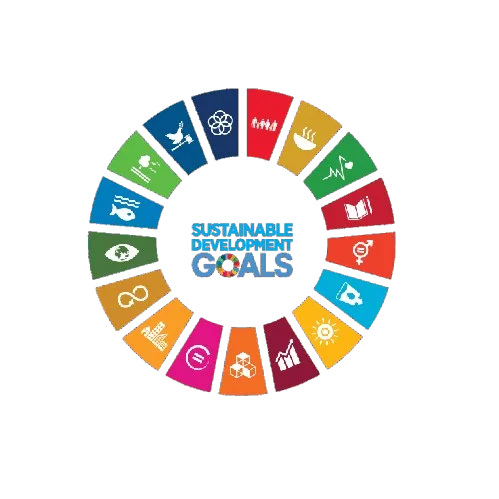
SDG Wheel

Aligned with

UN Sustainable Development Goals

This conference contributes to global sustainability by aligning its research discussions and academic sessions with key United Nations Sustainable Development Goals. It fosters knowledge exchange, innovation, and collaborative engagement.

SDG 2 SDG 2 — Zero Hunger
SDG 4 SDG 4 — Quality Education
SDG 6 SDG 6 — Clean Water and Sanitation
SDG 7 SDG 7 — Affordable and Clean Energy
SDG 9 SDG 9 — Industry, Innovation and Infrastructure
SDG 11 SDG 11 — Sustainable Cities and Communities
SDG 12 SDG 12 — Responsible Consumption and Production
SDG 13 SDG 13 — Climate Action
SDG 15 SDG 15 — Life on Land
SDG 17 SDG 17 — Partnerships for the Goals
Explore

All Session Tracks

Track 01
Innovative Energy Solutions for Sustainable Development

This track focuses on the latest advancements in energy technologies that promote sustainability. Papers are invited that explore renewable energy sources, energy efficiency, and innovative energy management practices.

Track 02
Environmental Impact Assessment and Mitigation Strategies

This session aims to discuss methodologies for assessing environmental impacts and developing effective mitigation strategies. Contributions should highlight case studies and best practices in environmental management.

Track 03
Sustainable Urban Development and Infrastructure

This track examines the role of engineering in creating sustainable urban environments. Topics include green building technologies, sustainable transportation systems, and urban planning for resilience.

Track 04
Life Cycle Assessment in Energy Systems

This session invites research on life cycle assessment (LCA) methodologies applied to energy systems. Papers should address the environmental, economic, and social impacts of energy production and consumption.

Track 05
Climate Change Mitigation and Adaptation Strategies

This track focuses on engineering solutions for climate change mitigation and adaptation. Contributions should explore innovative technologies and practices that enhance resilience to climate impacts.

Track 06
Waste Management and Resource Recovery

This session addresses sustainable waste management practices and resource recovery techniques. Papers are encouraged to present novel approaches to recycling, waste-to-energy technologies, and circular economy principles.

Track 07
Sustainable Agriculture and Energy Use

This track explores the intersection of sustainable agriculture and energy consumption. Research should focus on energy-efficient agricultural practices and the role of renewable energy in food production.

Track 08
Water-Energy Nexus: Challenges and Solutions

This session investigates the interconnections between water and energy resources. Contributions should highlight innovative solutions for optimizing the use of both resources in sustainable development.

Track 09
Technological Innovations for Environmental Sustainability

This track showcases cutting-edge technologies that contribute to environmental sustainability. Papers should focus on engineering innovations that reduce environmental footprints and enhance resource efficiency.

Track 10
Policy Frameworks for Sustainable Energy Transition

This session examines the role of policy in facilitating the transition to sustainable energy systems. Contributions should analyze effective policy frameworks, incentives, and regulatory measures.

Track 11
Public Engagement and Education in Sustainability

This track emphasizes the importance of public engagement and education in promoting sustainable practices. Research should explore strategies for raising awareness and fostering community involvement in sustainability initiatives.