International Conference on Future Businesses - (ICFUBUS-27)


13th - 14th January, 2027 | Seoul, South Korea

Multi-format (In-person/Virtual)

Registration Options

Explore conference registration categories designed for every mode of participation.
Important Dates

Pre-registration Deadline

14th December, 2026

Paper Submission Deadline

19th December, 2026

Last Date Of Registration

29th December, 2026

Date Of Conference

13th - 14th January, 2027

Downloads

Conference Session Tracks

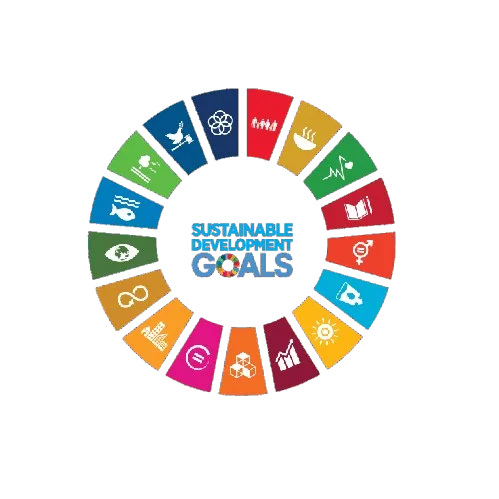
SDG Wheel

Aligned with

UN Sustainable Development Goals

This conference contributes to global sustainability by aligning its research discussions and academic sessions with key United Nations Sustainable Development Goals. It fosters knowledge exchange, innovation, and collaborative engagement.

SDG 1 SDG 1 — No Poverty
SDG 3 SDG 3 — Good Health and Well-being
SDG 8 SDG 8 — Decent Work and Economic Growth
SDG 9 SDG 9 — Industry, Innovation and Infrastructure
SDG 11 SDG 11 — Sustainable Cities and Communities
SDG 12 SDG 12 — Responsible Consumption and Production
SDG 13 SDG 13 — Climate Action
SDG 16 SDG 16 — Peace, Justice and Strong Institutions
SDG 17 SDG 17 — Partnerships for the Goals
Explore

All Session Tracks

Track 01
Innovative Business Models in the Digital Age

This track explores the evolution of business models driven by digital transformation and emerging technologies. It aims to highlight innovative strategies that enhance value creation and competitive advantage in various industries.

Track 02
Entrepreneurship and Economic Development

Focusing on the role of entrepreneurship in fostering economic growth, this track examines the interplay between entrepreneurial activities and regional development. It seeks to identify best practices and policies that support sustainable entrepreneurship.

Track 03
Data Analytics for Business Decision-Making

This track emphasizes the importance of data analytics in informing business strategies and operational decisions. It invites contributions that showcase advanced analytical methods and their applications across different sectors.

Track 04
Management Strategies for Sustainable Enterprises

This session addresses management practices that promote sustainability within organizations. It encourages discussions on integrating sustainability into corporate governance and strategic planning.

Track 05
Financial Innovations and Banking Technologies

Exploring the intersection of finance and technology, this track focuses on innovations in banking and financial services. It covers topics such as fintech, blockchain, and their implications for traditional banking models.

Track 06
Health Care Management and Economic Impacts

This track investigates the management practices within health care organizations and their economic implications. It aims to identify strategies that enhance efficiency and patient outcomes while considering cost-effectiveness.

Track 07
Urban Development and Business Opportunities

Focusing on urban planning and development, this track examines the business opportunities arising from urbanization. It highlights the role of businesses in shaping sustainable urban environments.

Track 08
E-Logistics and Supply Chain Innovations

This session delves into the advancements in e-logistics and supply chain management driven by digital technologies. It seeks to explore innovative solutions that enhance efficiency and responsiveness in logistics operations.

Track 09
Collaborative Systems and Social Networks

This track investigates the impact of collaborative systems and social networks on business practices. It aims to understand how these platforms facilitate communication, collaboration, and innovation.

Track 10
Business Policy, Strategy, and Governance

Focusing on the intersection of policy and business strategy, this track examines governance frameworks that influence organizational performance. It encourages discussions on ethical considerations and strategic decision-making.

Track 11
Emerging Technologies and Business Transformation

This session explores the transformative impact of emerging technologies on business operations and strategies. It invites contributions that analyze the implications of technologies such as AI, IoT, and cloud computing for future business landscapes.