International Conference on Environmental Engineering and Energy Efficiency - (ICEEEE-27)
22nd - 23rd January, 2027 | Kobe, Japan
Multi-format (In-person/Virtual)
Explore conference registration categories designed for every mode of participation.
23rd December, 2026
28th December, 2026
7th January, 2027
22nd - 23rd January, 2027
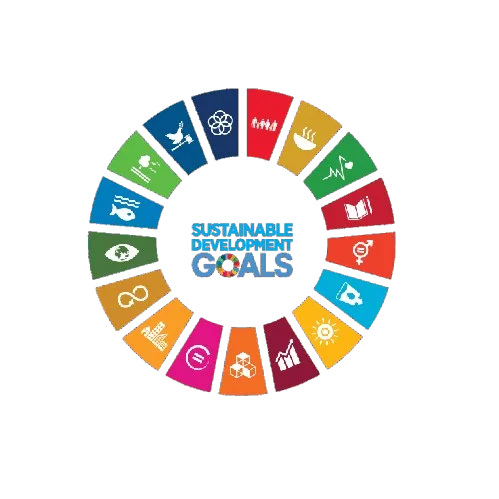
This conference contributes to global sustainability by aligning its research discussions and academic sessions with key United Nations Sustainable Development Goals. It fosters knowledge exchange, innovation, and collaborative engagement.
SDG 6 — Clean Water and Sanitation
SDG 7 — Affordable and Clean Energy
SDG 9 — Industry, Innovation and Infrastructure
SDG 11 — Sustainable Cities and Communities
SDG 12 — Responsible Consumption and Production
SDG 13 — Climate Action
SDG 14 — Life Below Water
SDG 15 — Life on Land
This track focuses on innovative approaches to carbon dioxide capture and sequestration, emphasizing the role of advanced materials such as carbon nanotubes. Discussions will include the latest research findings and practical applications in reducing greenhouse gas emissions.
This session explores the integration of various renewable energy sources, including solar, wind, and hydrogen, into existing power grids. Participants will discuss challenges and solutions for enhancing energy efficiency and reliability in renewable energy systems.
This track highlights the role of biotechnology in addressing environmental challenges, such as waste management and pollution control. Presentations will cover bioremediation techniques and the development of biofuels as sustainable energy alternatives.
This session delves into the latest advancements in hydrogen energy technologies, including fuel cells and hydrogen production methods. The focus will be on practical applications and the potential of hydrogen as a clean energy source.
This track examines strategies for improving energy efficiency in critical infrastructures, such as transportation, utilities, and industrial systems. Case studies will illustrate successful implementations and the impact on sustainability.
This session addresses cutting-edge technologies and methodologies in hydraulics and water resource management. Participants will explore sustainable practices for optimizing water use and enhancing ecosystem health.
This track focuses on the engineering challenges and advancements in nuclear power, emphasizing safety, waste management, and sustainability. Discussions will include the role of nuclear energy in a low-carbon future.
This session explores the latest innovations in thermal power engineering, focusing on enhancing efficiency and reducing emissions. Participants will discuss new technologies and their implications for energy production.
This track investigates the development of smart grids and intelligent electrical networks that enhance energy distribution and consumption efficiency. Topics will include communication technologies and demand-side management strategies.
This session examines the transition from fossil fuels to clean technologies, addressing the challenges and opportunities involved. Participants will discuss policy frameworks, economic implications, and technological advancements.
This track focuses on the ecological consequences of various energy production methods, including fossil fuels and renewables. Presentations will highlight research on biodiversity, habitat disruption, and strategies for minimizing environmental impacts.