International Conference on Environmental Biotechnology and Genetic Manipulation - (ICEBGM-27)


23rd - 24th March, 2027 | Sapporo, Japan

Multi-format (In-person/Virtual)

Registration Options →

Explore conference registration categories designed for every mode of participation.
Important Dates

Pre-registration Deadline

21st February, 2027

Paper Submission Deadline

26th February, 2027

Last Date Of Registration

8th March, 2027

Date Of Conference

23rd - 24th March, 2027

Downloads

Conference Session Tracks

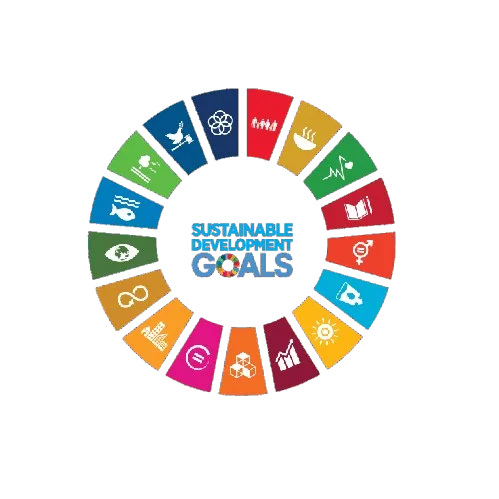
SDG Wheel

Aligned with

UN Sustainable Development Goals

This conference contributes to global sustainability by aligning its research discussions and academic sessions with key United Nations Sustainable Development Goals. It fosters knowledge exchange, innovation, and collaborative engagement.

SDG 2 SDG 2 — Zero Hunger
SDG 6 SDG 6 — Clean Water and Sanitation
SDG 9 SDG 9 — Industry, Innovation and Infrastructure
SDG 11 SDG 11 — Sustainable Cities and Communities
SDG 12 SDG 12 — Responsible Consumption and Production
SDG 13 SDG 13 — Climate Action
SDG 15 SDG 15 — Life on Land
Explore

All Session Tracks

Track 01
Innovations in Environmental Biotechnology

This track focuses on the latest advancements in environmental biotechnology, emphasizing novel microbial applications for pollution remediation. Participants will explore cutting-edge research that integrates biotechnology with environmental sustainability.

Track 02
Microbial Metabolism and Bioremediation

This session delves into the metabolic pathways of microbes and their role in bioremediation processes. Researchers will present findings on how microbial communities can be harnessed to degrade pollutants in contaminated environments.

Track 03
Phytotechnology and Sustainable Agriculture

This track examines the use of plants in biotechnology for environmental restoration and agricultural enhancement. Discussions will include the mechanisms of phytoremediation and the role of photosynthesis in sustainable practices.

Track 04
Genetic Manipulation for Environmental Solutions

This session highlights the application of genetic engineering techniques in developing organisms that can address environmental challenges. Topics will include genetically modified microbes and plants designed for pollution control and resource efficiency.

Track 05
Integrated Approaches to Pollution Control

This track focuses on holistic strategies that combine various biotechnological methods for effective pollution management. Participants will explore case studies and frameworks that integrate biological interventions with engineering solutions.

Track 06
Climate Change Mitigation through Biotechnology

This session addresses the role of biotechnology in mitigating the impacts of climate change. Presentations will cover innovative biotechnological approaches aimed at reducing greenhouse gas emissions and enhancing carbon sequestration.

Track 07
Ecological Impacts of Biotechnology

This track investigates the ecological consequences of biotechnological interventions in natural ecosystems. Researchers will discuss the balance between biotechnological advancements and ecological integrity.

Track 08
Waste Management and Biotechnology

This session explores the intersection of waste management practices and biotechnological innovations. Topics will include waste treatment processes and the development of bio-based materials from waste streams.

Track 09
Biotechnology in Food Security

This track focuses on the applications of biotechnology in enhancing food security through sustainable practices. Discussions will include genetic improvements in crops and the role of biotechnology in addressing food scarcity.

Track 10
Biological Interventions in Contaminated Land

This session examines the use of biological methods for the remediation of contaminated land. Participants will share insights on successful case studies and methodologies for restoring degraded environments.

Track 11
Engineering Solutions for Environmental Challenges

This track highlights the role of engineering in developing solutions to pressing environmental issues. Presentations will focus on interdisciplinary approaches that combine engineering principles with biotechnological innovations.