International Conference on Resilient Cities and Disaster Risk Reduction - (ICRCDRR-27)


31st - 1st June, 2027 | Taif, Saudi Arabia

Multi-format (In-person/Virtual)

Registration Options

Explore conference registration categories designed for every mode of participation.
Important Dates

Pre-registration Deadline

1st May, 2027

Paper Submission Deadline

6th May, 2027

Last Date Of Registration

16th May, 2027

Date Of Conference

31st - 1st June, 2027

Downloads

Conference Session Tracks

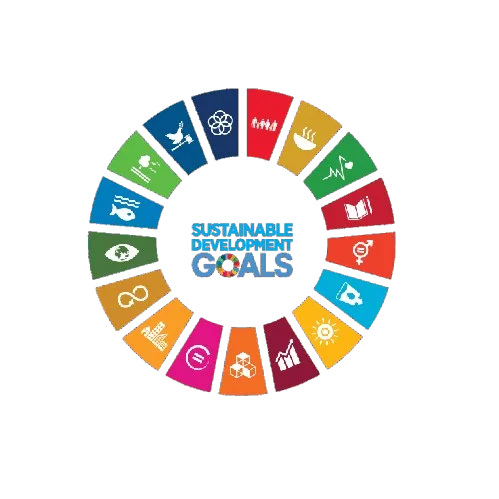
SDG Wheel

Aligned with

UN Sustainable Development Goals

This conference contributes to global sustainability by aligning its research discussions and academic sessions with key United Nations Sustainable Development Goals. It fosters knowledge exchange, innovation, and collaborative engagement.

SDG 1 SDG 1 — No Poverty
SDG 3 SDG 3 — Good Health and Well-being
SDG 9 SDG 9 — Industry, Innovation and Infrastructure
SDG 11 SDG 11 — Sustainable Cities and Communities
SDG 13 SDG 13 — Climate Action
SDG 16 SDG 16 — Peace, Justice and Strong Institutions
SDG 17 SDG 17 — Partnerships for the Goals
Explore

All Session Tracks

Track 01
Urban Resilience Frameworks

This track explores innovative frameworks for enhancing urban resilience in the face of climate change and environmental hazards. Participants will discuss theoretical and practical approaches to integrating resilience into urban planning and policy.

Track 02
Disaster Risk Reduction Strategies

This session focuses on effective strategies for disaster risk reduction in urban environments. It aims to share best practices and case studies that highlight successful interventions and community engagement.

Track 03
Climate Adaptation in Urban Settings

This track examines the role of climate adaptation strategies in fostering resilient urban communities. Discussions will center on adaptive infrastructure, green spaces, and sustainable urban design.

Track 04
Emergency Management and Response

This session addresses the critical aspects of emergency management and response systems in urban areas. Participants will evaluate current practices and propose improvements to enhance preparedness and resilience.

Track 05
Risk Assessment Methodologies

This track delves into methodologies for assessing risks associated with urban disasters and environmental hazards. The focus will be on quantitative and qualitative approaches that inform decision-making.

Track 06
Community Resilience and Engagement

This session highlights the importance of community involvement in building resilience against disasters. Participants will share insights on fostering local engagement and empowering communities to take proactive measures.

Track 07
Sustainable Urban Infrastructure

This track investigates the role of sustainable infrastructure in enhancing urban resilience. Discussions will focus on innovative materials, technologies, and designs that contribute to disaster preparedness.

Track 08
Vulnerability Assessment in Urban Areas

This session focuses on identifying and analyzing vulnerabilities within urban populations and infrastructures. Participants will explore tools and frameworks for effective vulnerability assessment.

Track 09
Crisis Management in Urban Contexts

This track examines crisis management strategies tailored for urban settings. Participants will discuss coordination among stakeholders and the integration of technology in crisis response.

Track 10
Environmental Hazards and Urban Planning

This session addresses the intersection of environmental hazards and urban planning. Participants will explore how urban design can mitigate risks associated with natural disasters.

Track 11
Innovations in Urban Disaster Preparedness

This track showcases innovative approaches to disaster preparedness in urban environments. Participants will discuss emerging technologies and practices that enhance readiness and resilience.